 Deutsch


Suchen
WONACH SUCHST DU?
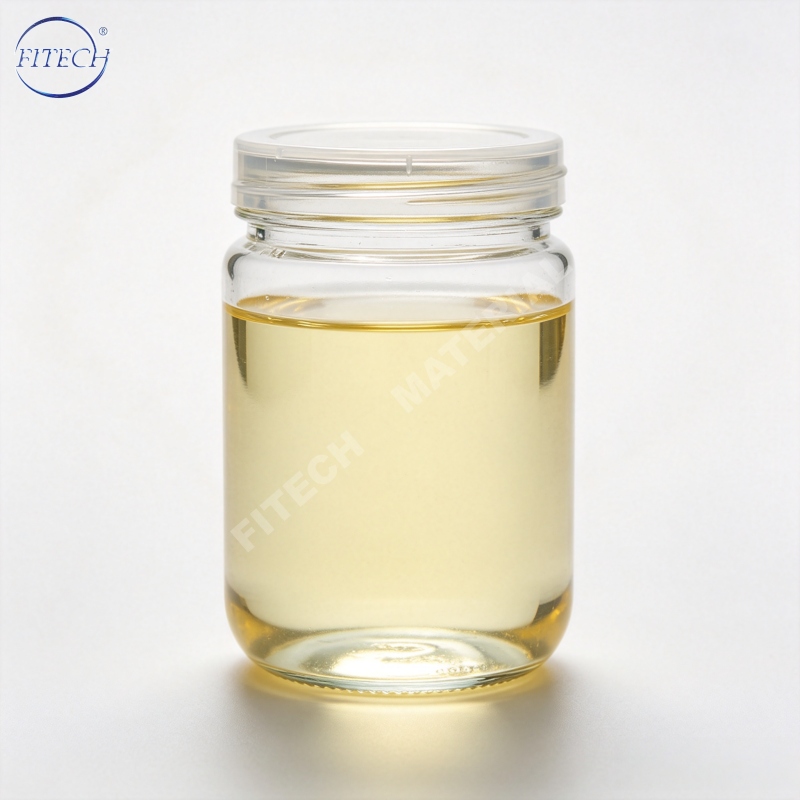
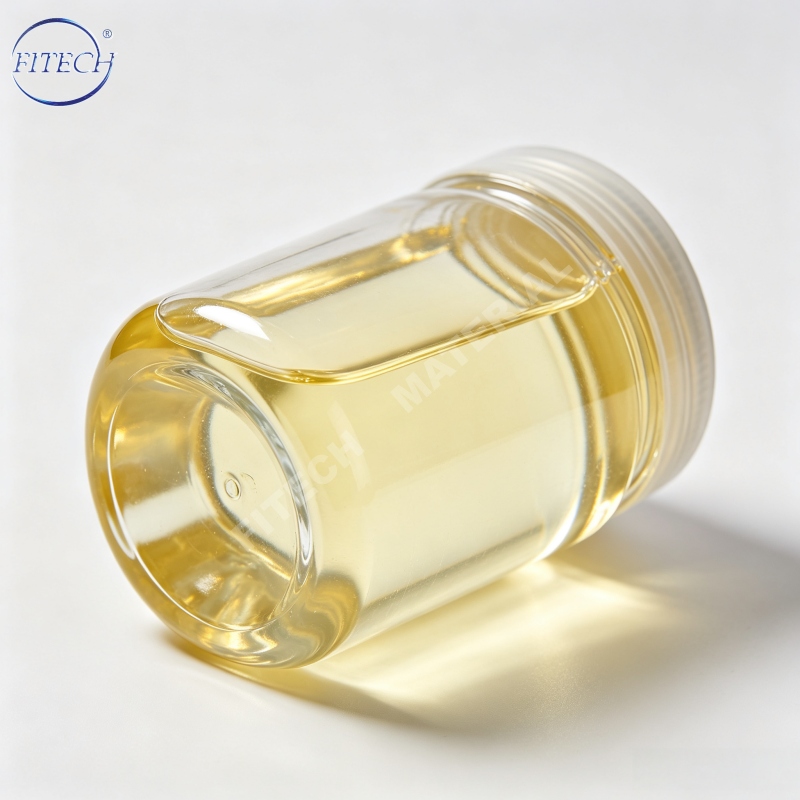
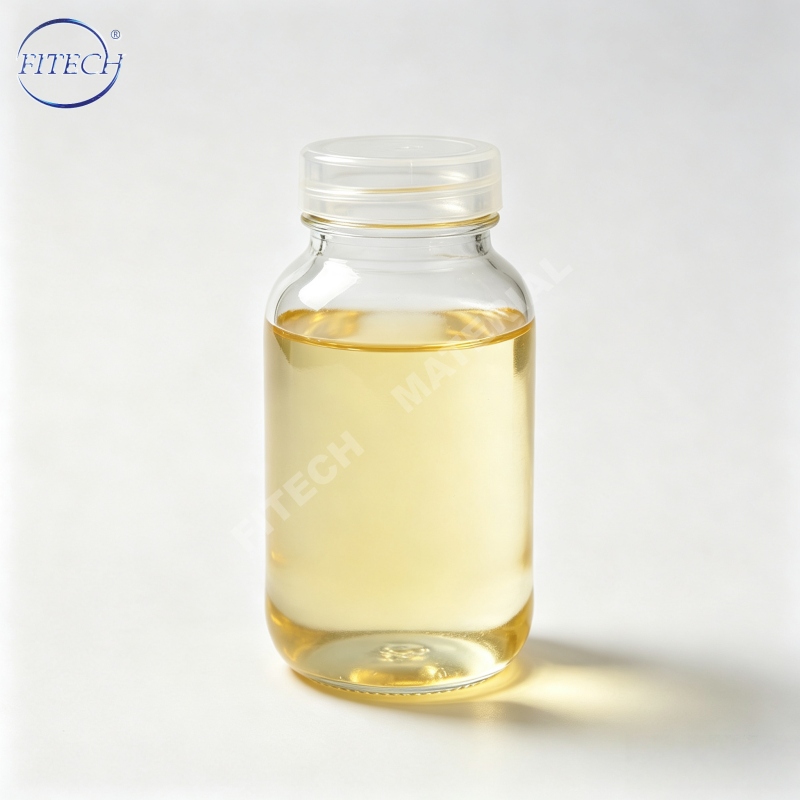
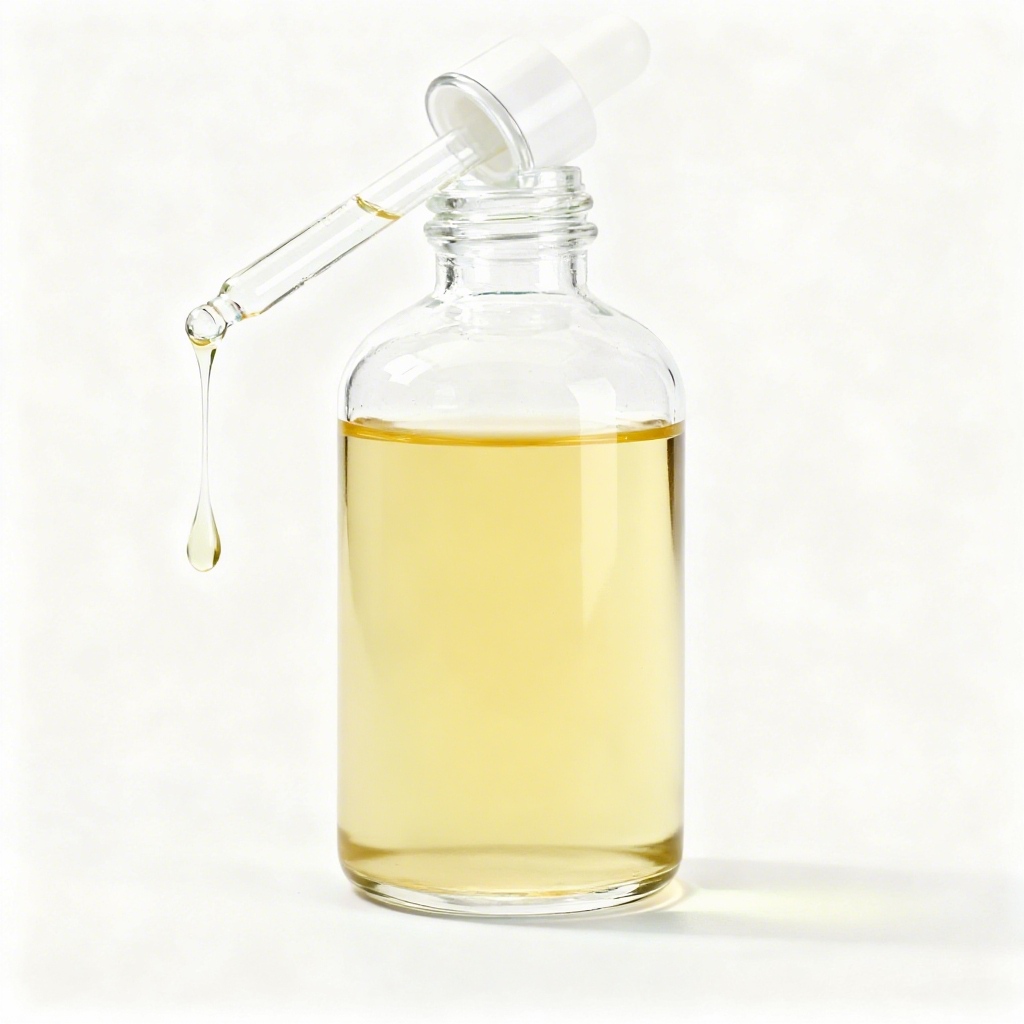
Dibutylphthalat (DBP), farblose und transparente Flüssigkeit mit einem angenehmen Geruch, spezifisches Gewicht 1,045, Brechungsindex 1,49, Siedepunkt 340 Grad, Viskositätspunkt -35 Grad, Flammpunkt 171 Grad, Zündpunkt 202 Grad, Viskosität 16,3 Centipoise, Wasserlöslichkeit 202 Grad, löslich in den meisten organischen Lösungsmitteln und Estern.
Mindestbestellmenge :
950kg or customizedLieferzeit :
20 days after the order is confirmedGrad :
97Cas-Nr. :
107-66-4Aussehen :
Liquid
Grundlegende Informationen
Dibutylphthalat (DBP) Dibutylphthalat (DBP) ist der am häufigsten verwendete Weichmacher für Polyvinylchlorid (PVC). Es verleiht den Produkten eine gute Flexibilität, jedoch eine geringe Haltbarkeit. Seine Stabilität, Biegefestigkeit, Haftung und Wasserbeständigkeit sind anderen Weichmachern überlegen. DBP wird häufig als Zusatzstoff in Klebstoffen und Druckfarben eingesetzt. Es ist in verschiedenen organischen Lösungsmitteln wie Alkohol, Ether und Benzol löslich. DBP wird auch als Mittel zur Bekämpfung von äußeren Parasiten verwendet.
Spezifikation
| Gehalt, % | ≥97,0 | CAS | 157 - 172 °C |
| Farbe (Pt–Co): ≤40;,% | ≤2,0 | Dichte | 1,042 bis 1,048 |
| Wassergehalt: ≤0,3%. | ≤120 | Schmelzpunkt | -35 °C |
| Aussehen | Flüssig | Flammpunkt (℃) | 157 - 172 °C |
Anwendung
1. Metallextraktionsmittel:Es wird in der Metallurgie als Extraktionsmittel zur Gewinnung und Reinigung von Uran, Thorium und Lanthaniden verwendet.
2. Katalysator:Es kann als Katalysator für die Polymersynthese dienen und wird bei der Herstellung von Polyurethan verwendet.
3. Industrielle Zusatzstoffe und Lösungsmittel:Während des Herstellungsprozesses kann es als Netzmittel, Lösungsmittel und mehr dienen und wird in Branchen wie Beschichtungen, Klebstoffen und Textilien weit verbreitet eingesetzt.
4. Landwirtschaftliche Hilfsstoffe:Wird als Hilfsstoff für Pestizide verwendet, um die Benetzung und Haftung von Pestiziden auf Pflanzenoberflächen zu verbessern.
5. Reagenzien für die analytische Chemie:Es wird als Laborverbrauchsmaterial verwendet. Es kann als stationäre Phase in der Gaschromatographie und auch als Standard für die quantitative Analyse von Organophosphatestern dienen.
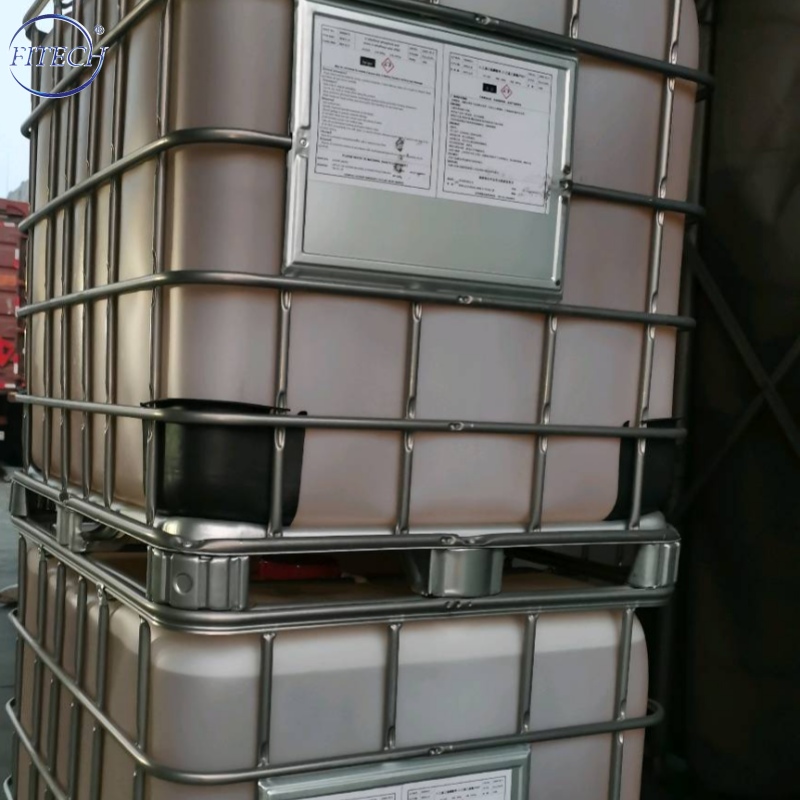
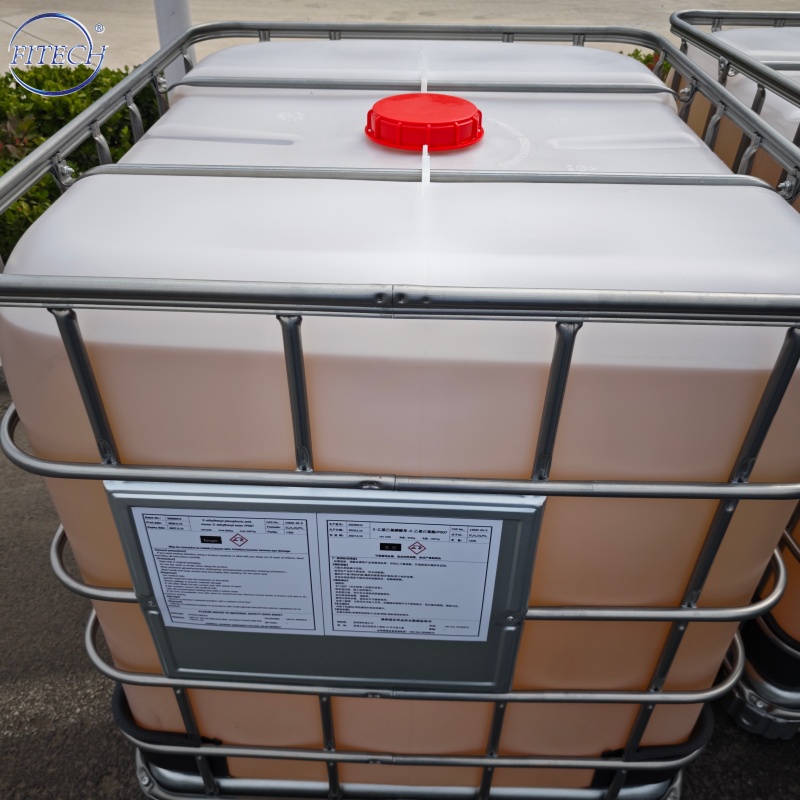
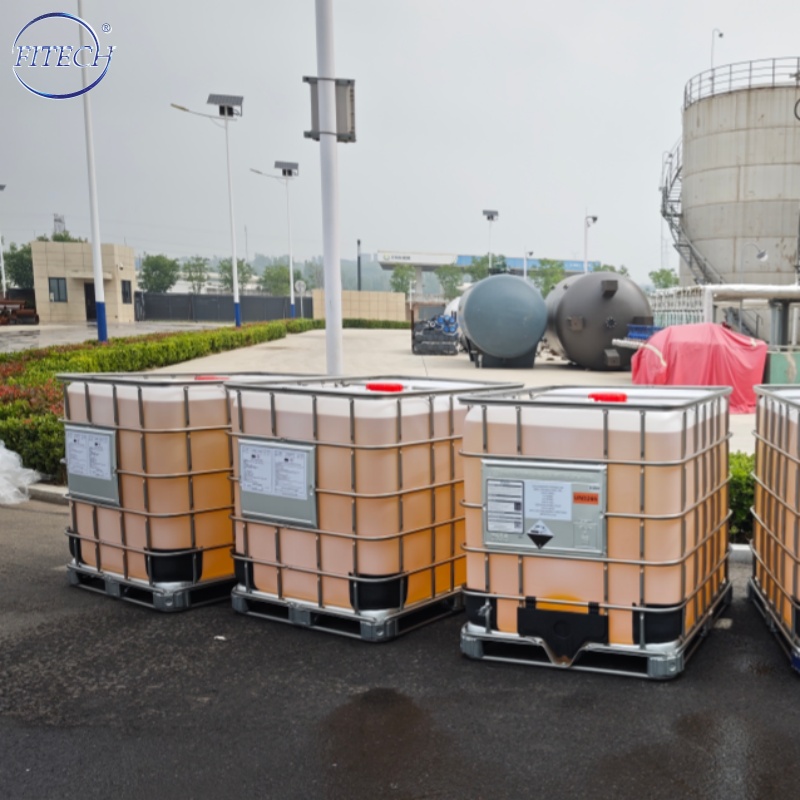
Verpackung
Zertifikate
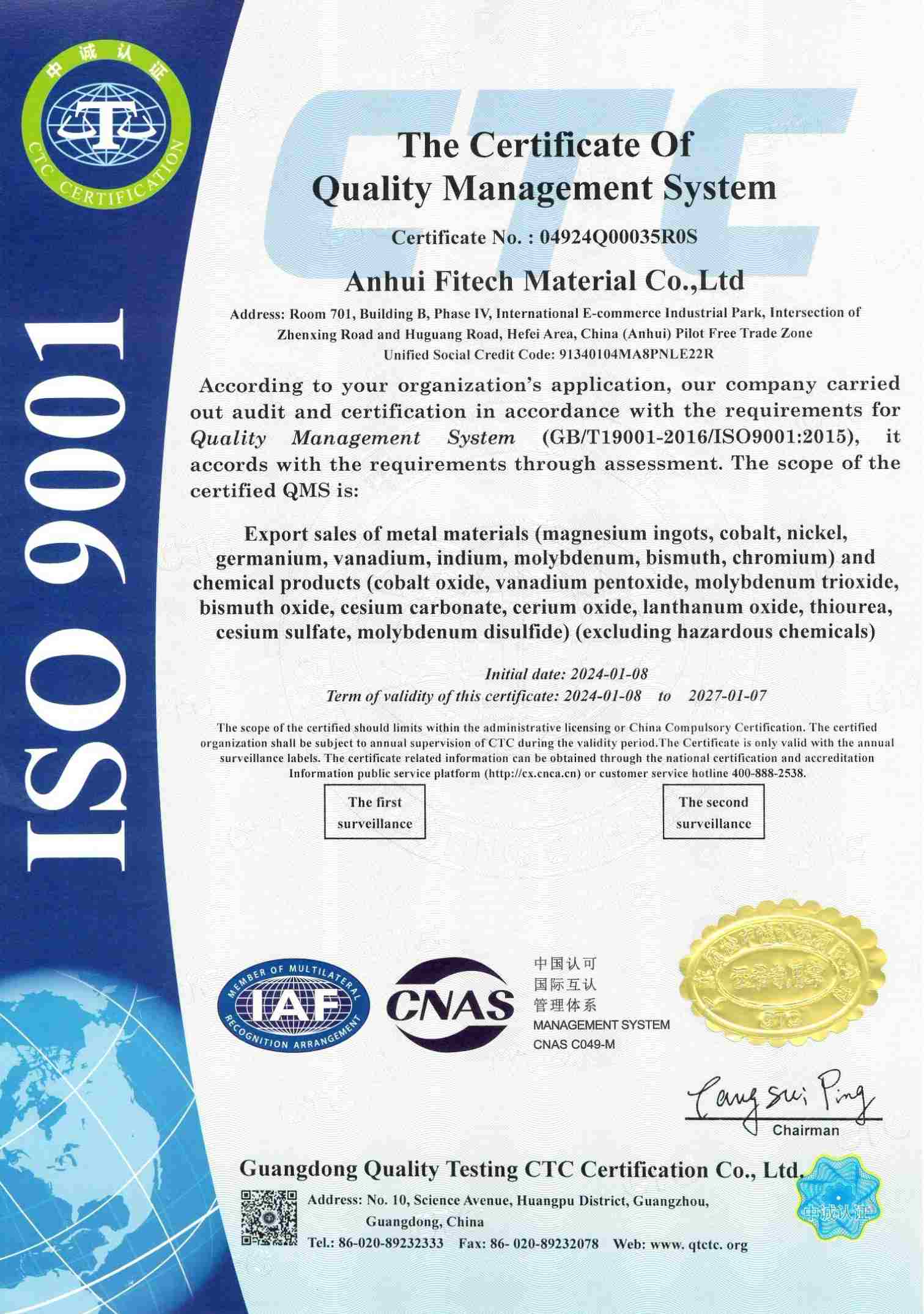
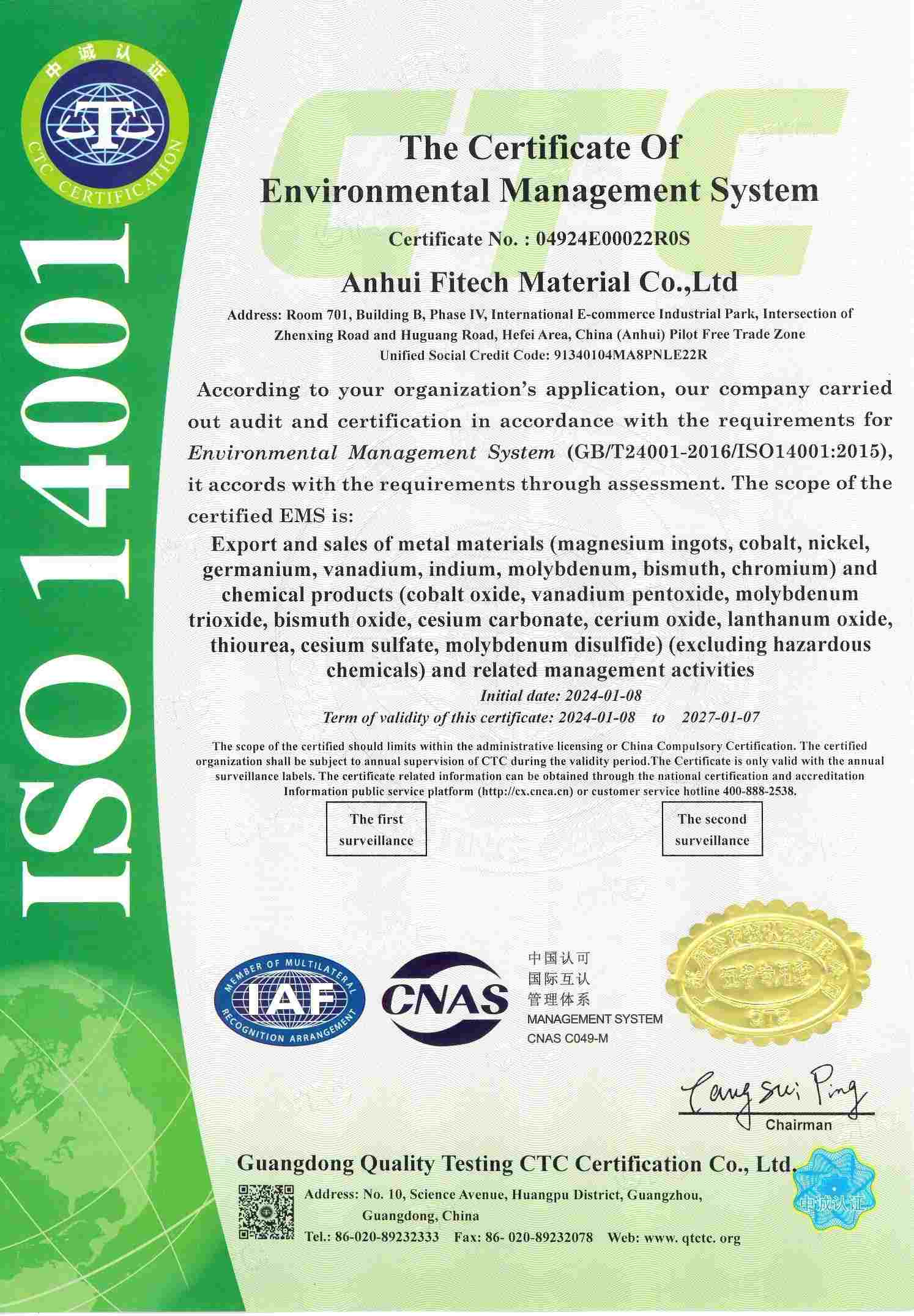
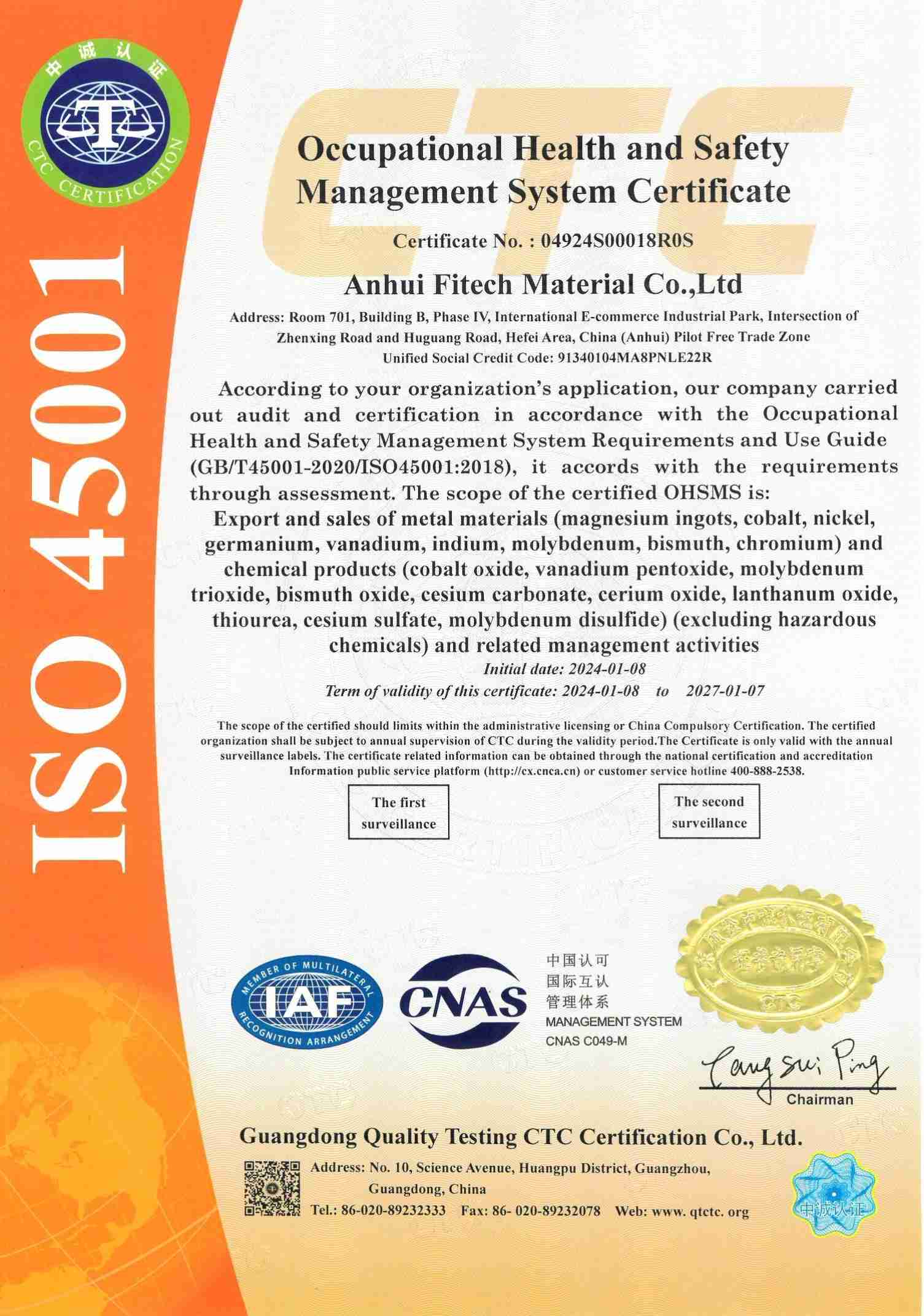
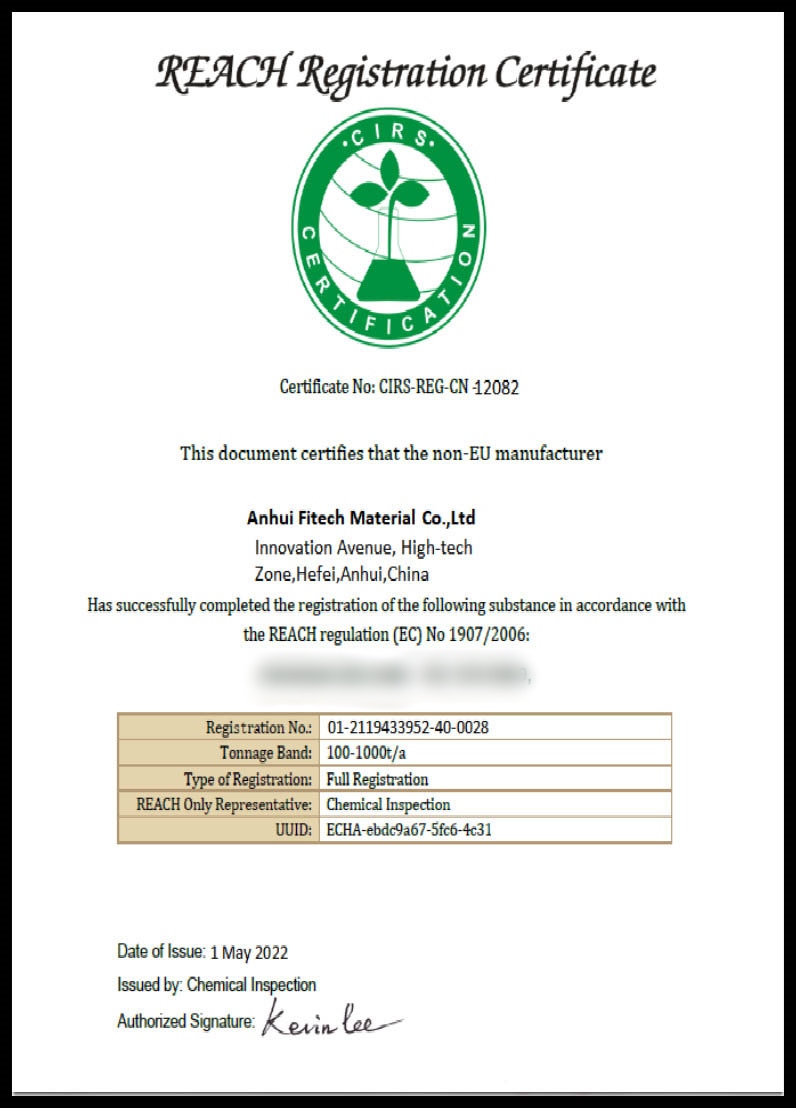
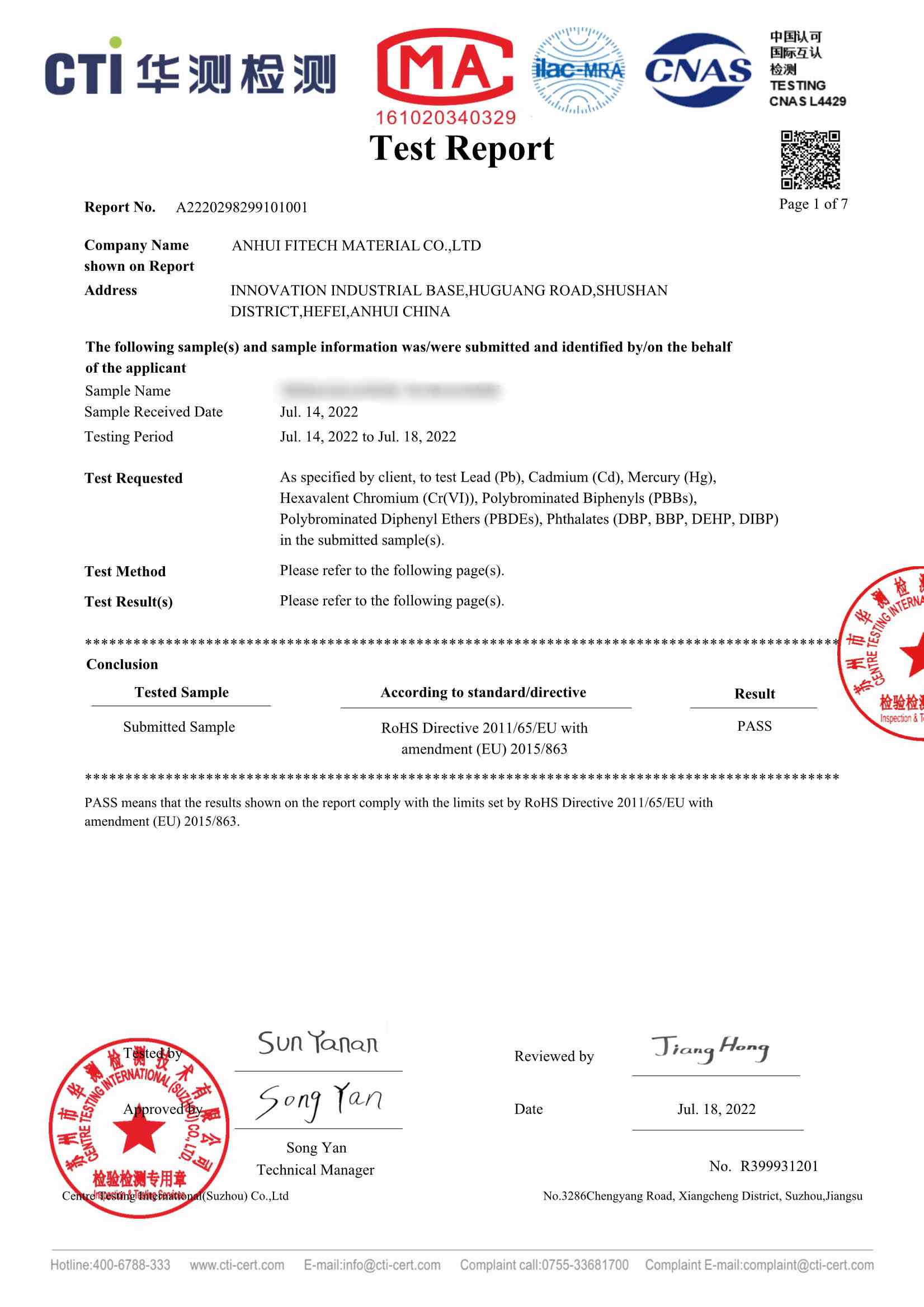
Die Produkte wurden gemäß nationalen Standards von FDA, REACH, ROSH, ISO und anderen Zertifizierungsstellen zugelassen.
Faktor
y
Häufig gestellte Fragen
F: Sind Sie ein Handelsunternehmen oder ein Hersteller?
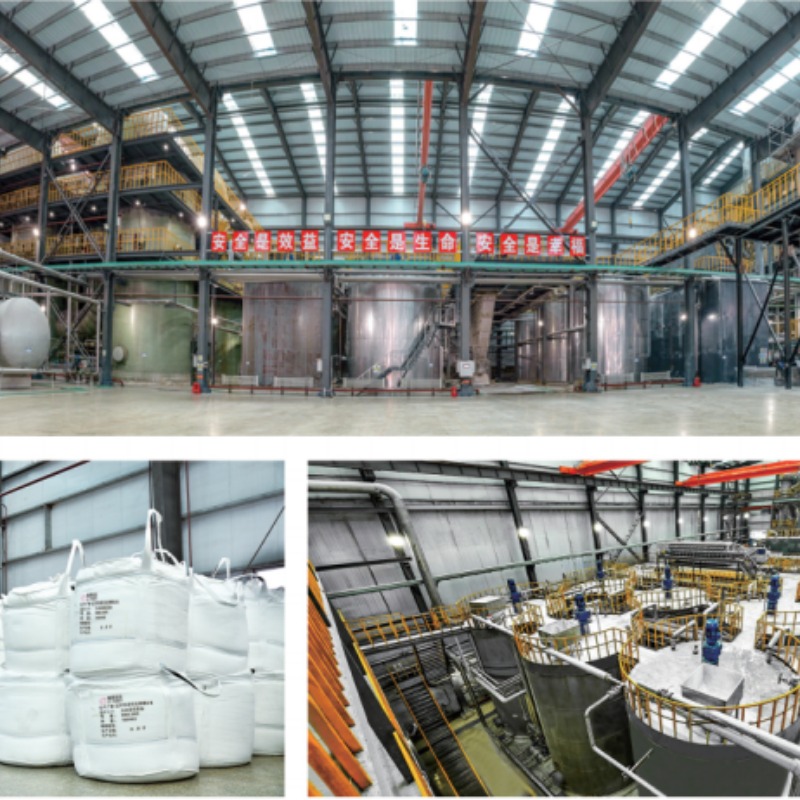
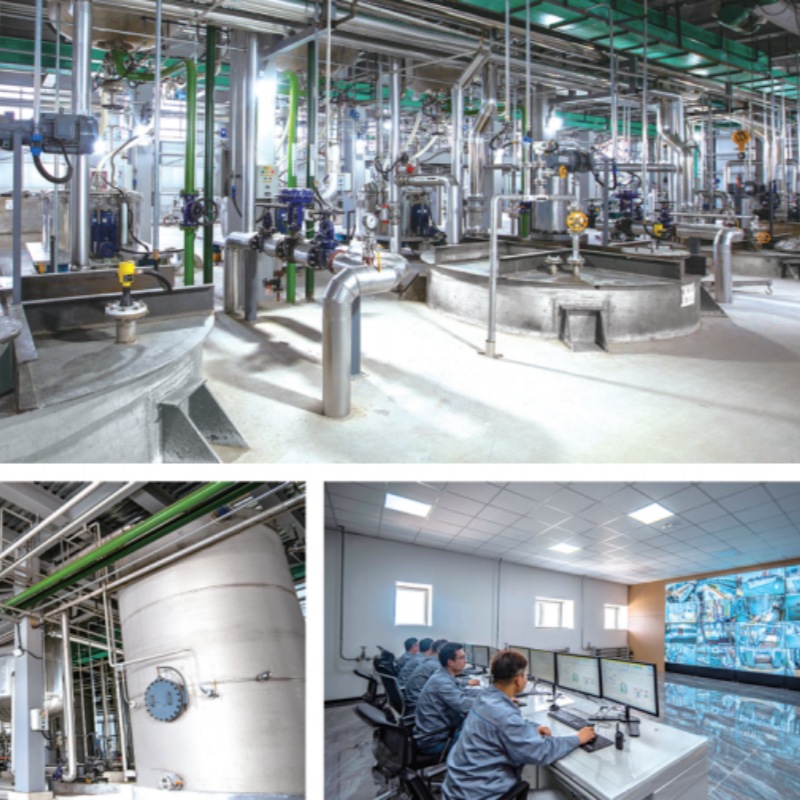
A: Wir sind eine Fabrik.
F: Wie lange ist Ihre Lieferzeit?
A: In der Regel dauert es 5–10 Tage, wenn die Ware auf Lager ist. Andernfalls beträgt die Lieferzeit 15–20 Tage, abhängig von der Bestellmenge.
F: Stellen Sie Muster zur Verfügung? Sind diese kostenlos oder kostenpflichtig?
A: Ja, wir könnten Ihnen das Muster kostenlos zur Verfügung stellen, die Frachtkosten müssten Sie jedoch nicht übernehmen.
F: Wie lauten Ihre Zahlungsbedingungen?
A: Zahlung
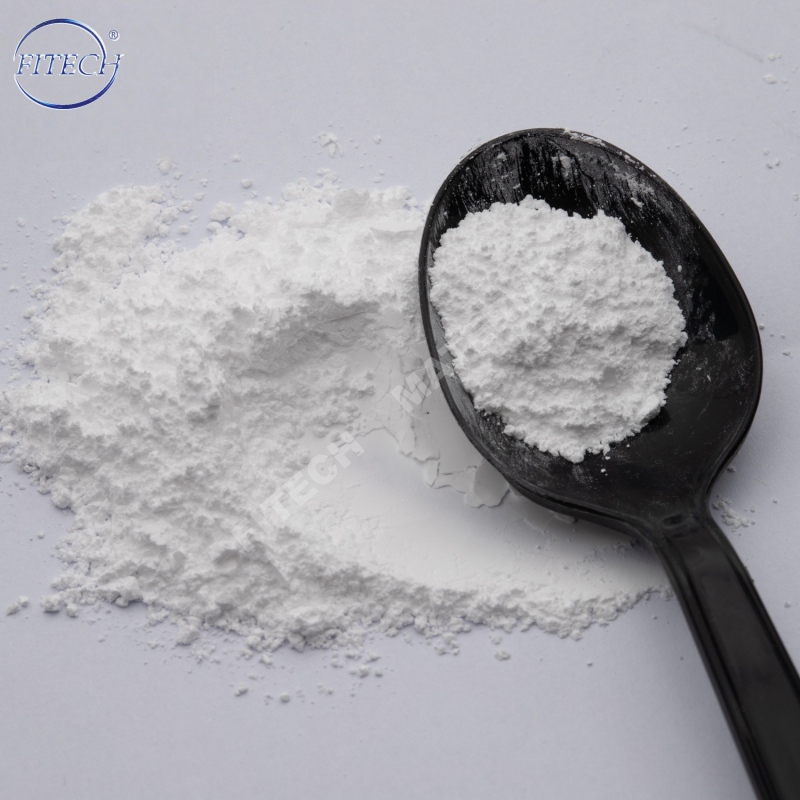
LithiumcarbonatFarbloses monoklines Kristall oder weißes Pulver. Löslich in verdünnter Säure, schwer löslich in Wasser. Häufig verwendeter Rohstoff für Lithium-Ionen-Batterien.
MEHR ANZEIGEN
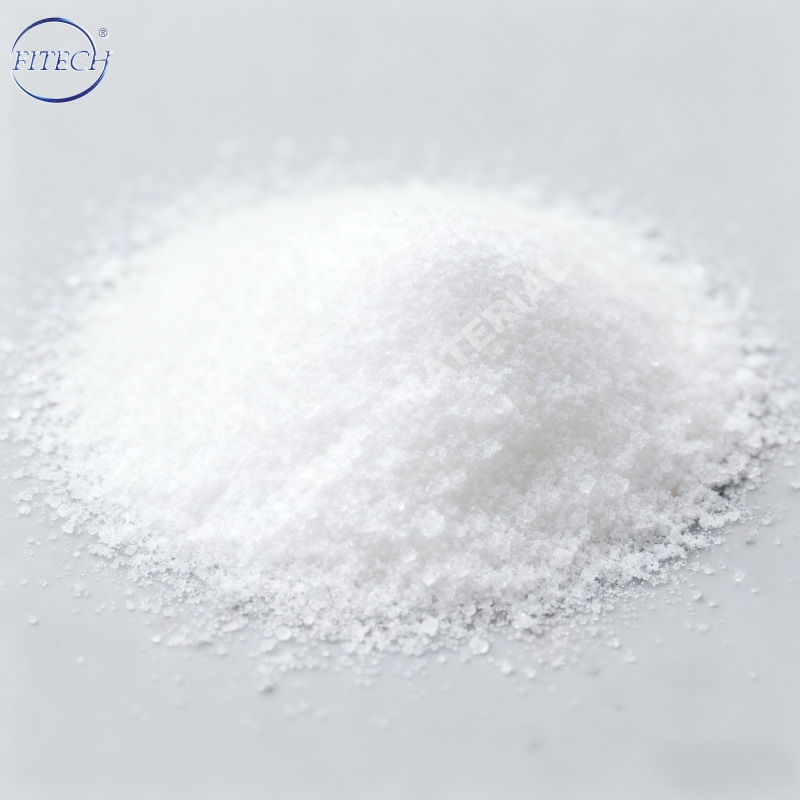
LithiumchloridEs handelt sich um ein weißes Kristall mit hygroskopischen Eigenschaften. Es schmeckt salzig. Es ist löslich in Wasser, Ethanol, Aceton, Pyridin und anderen organischen Lösungsmitteln.
MEHR ANZEIGEN
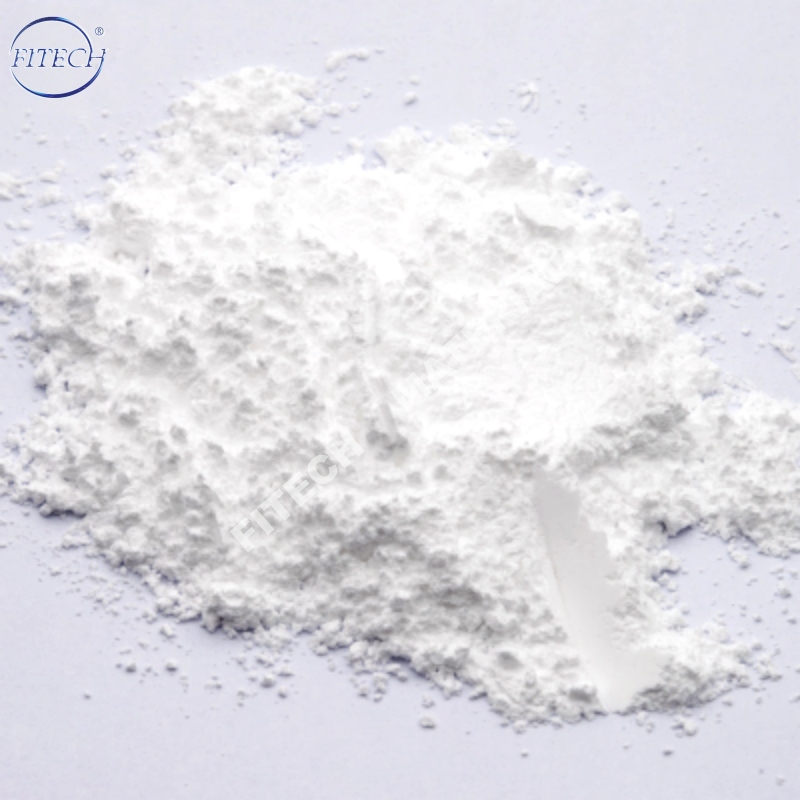
Lithiumfluorid, weißes Pulver, relative Dichte 2,653, Schmelzpunkt 848℃, unlöslich in Wasser, unlöslich in Ethanol und Aceton, löslich in Säure und bildet LiHF2 mit HF.
MEHR ANZEIGEN
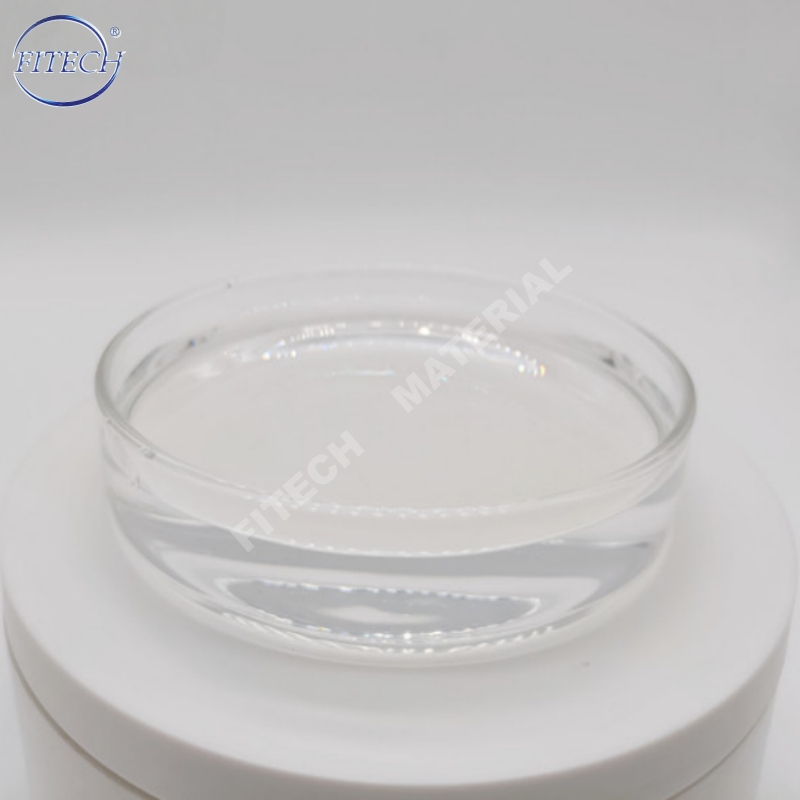
Bis(2,4,4-Trimethylpentyl)phosphinsäure, farblose bis blassgelbe Flüssigkeit mit fruchtigem Aroma; schwach sauer, ungiftig und nicht korrosiv gegenüber Stahl und den meisten Kunststoffen.
MEHR ANZEIGEN
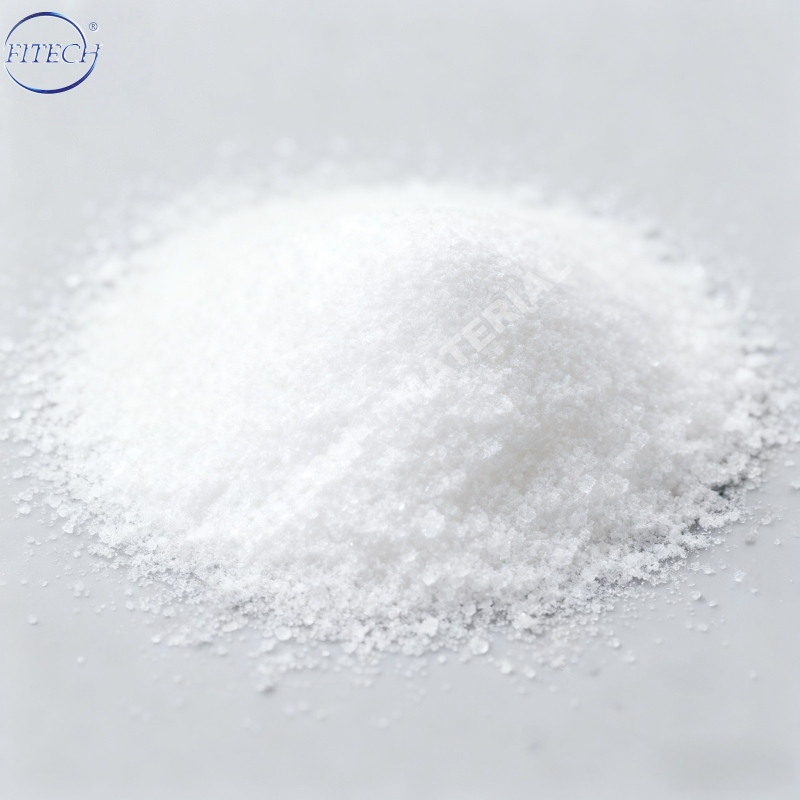
Lithiumphosphat, weißes kristallines Pulver mit einer Dichte von 2,54 g/cm³, einem Schmelzpunkt von 837℃, schwer löslich in kaltem Wasser, leicht löslich in Säuren und Ammoniakwasser und unlöslich in Aceton.
MEHR ANZEIGEN
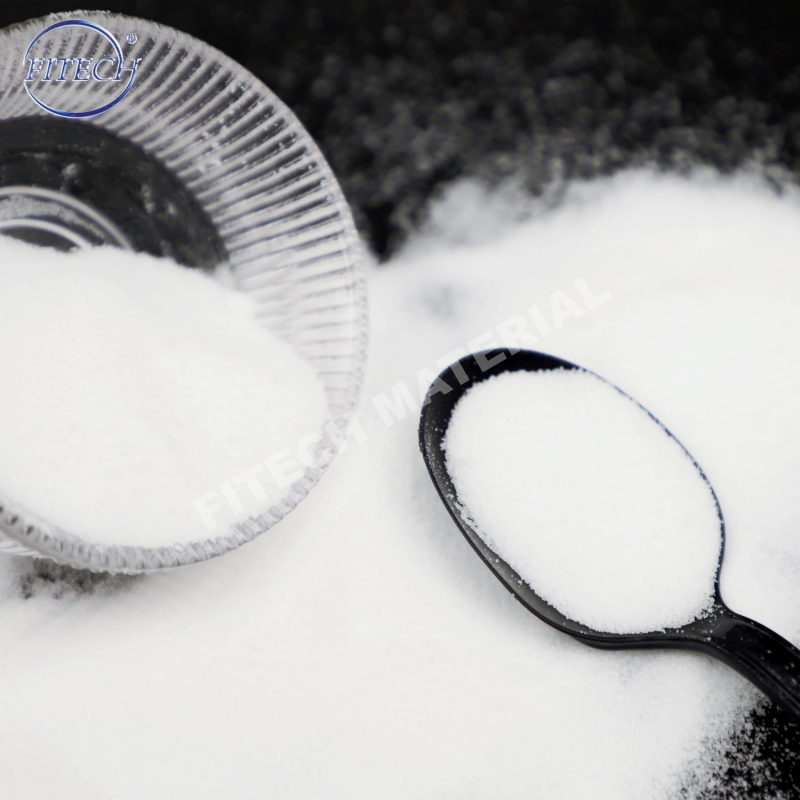
Unsere hohe Reinheit Thioharnstoff 99 % min.Es handelt sich um eine organische, schwefelhaltige Verbindung mit der Summenformel CH₄N₂S. Sie bildet weiße, glänzende Kristalle mit bitterem Geschmack, einer Dichte von 1,41 g/cm³ und einem Schmelzpunkt von 176–178 °C. Bei höheren Temperaturen zersetzt sie sich. Sie ist in Wasser löslich, in Ethanol nach dem Erhitzen löslich und in Ether nur sehr schwer löslich.
MEHR ANZEIGEN
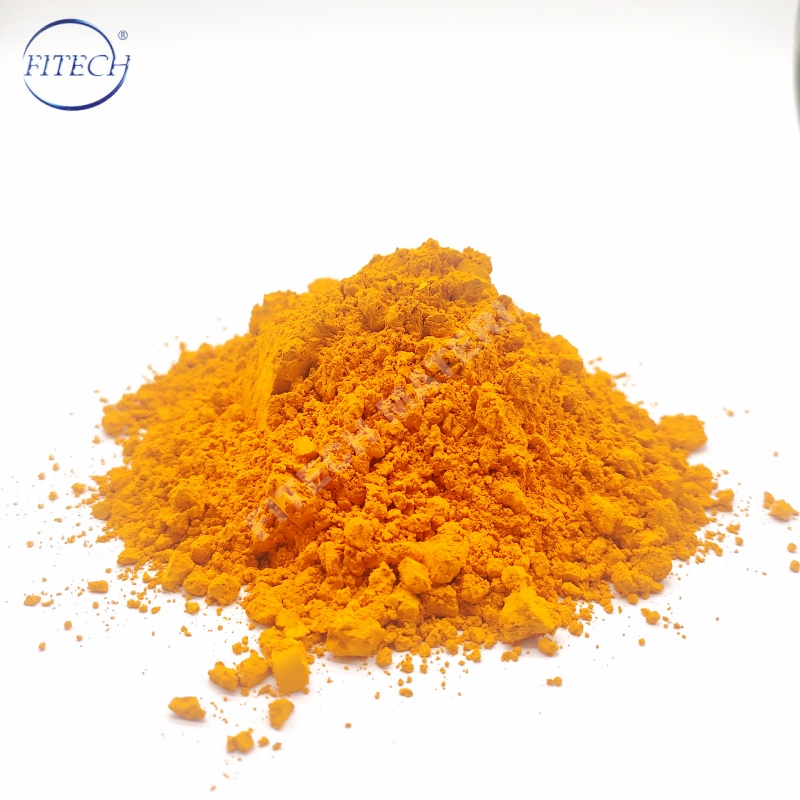
Unsere hohe Reinheit Vanadiumpentoxid 98 % bis min. 99,5 % Es handelt sich um ein Metalloxid mit der Summenformel V2O5. Aussehen und Eigenschaften: orange-gelbes, ziegelrotes, rotbraunes kristallines Pulver oder grauschwarze Flocken. Relative Dichte (Wasser = 1): 3,35. Siedepunkt (ºC): 1750 (Zersetzung) Molekulargewicht: 182,00 Löslichkeit: schwer löslich in Wasser, unlöslich in Ethanol, löslich in starken Säuren und starken Basen.
MEHR ANZEIGEN
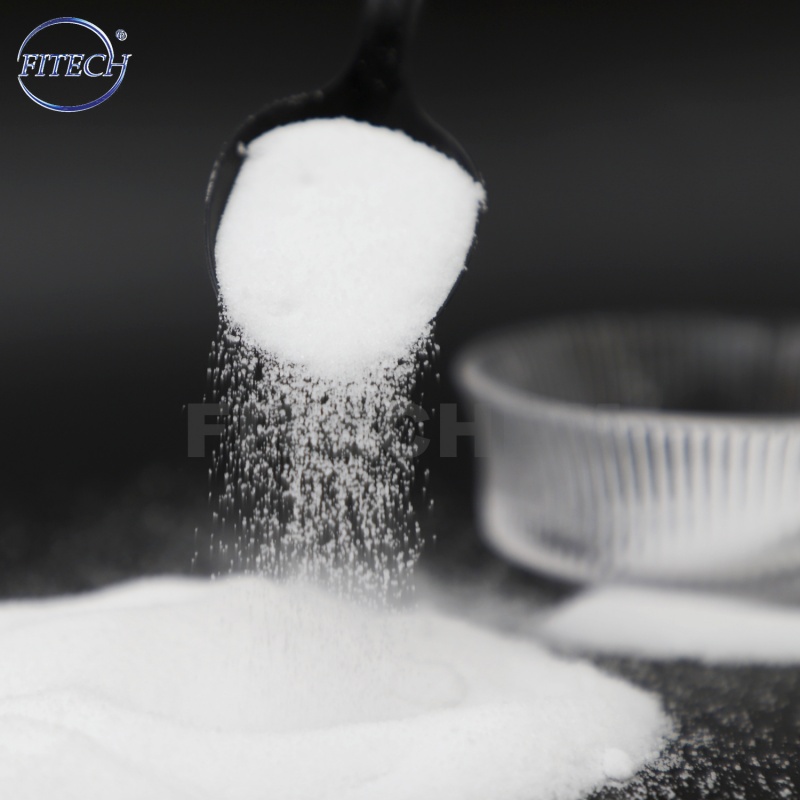
Unsere hohe Reinheit Sulfaminsäure 99,5 % min Es handelt sich um eine Art von Sulfaminsäure, die durch den Austausch von Amino- und Hydroxylgruppen in der Schwefelsäure entsteht und eine anorganische feste Säure bildet. Die Summenformel lautet NH₂SO₃H, das Molekulargewicht beträgt 97,09 g/mol. Sie ist im Allgemeinen weiß, geruchlos und bildet rautenförmige Kristallplättchen mit einer relativen Dichte von 2,126 g/mol. Der Schmelzpunkt liegt bei 205 °C. Sie ist in Wasser und flüssigem Ammoniak löslich und bei Raumtemperatur, solange sie trocken gelagert und nicht mit Wasser in Berührung gebracht wird, nicht hygroskopisch und stabil.
MEHR ANZEIGEN


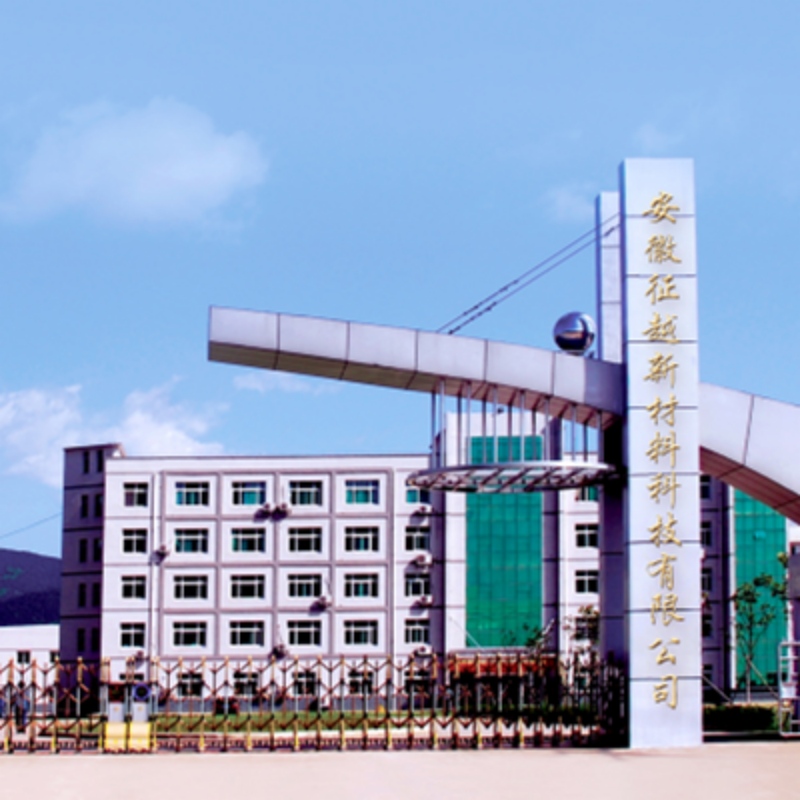
Innovation industrial base, Huguang Road, Shushan District, Hefei, Anhui, China.
Copyright
@ 2026 Anhui Fitech Material Co.,Ltd Alle Rechte vorbehalten
. NETZWERK UNTERSTÜTZT
eine Nachricht hinterlassen
Scannen zu Wechat :

Scannen zu WhatsApp :