andere
Heim BLOG

Active Copper Oxide: How Low-Impurity CuO Improves PCB Electroplating Stability

Active Copper Oxide: How Low-Impurity CuO Improves PCB Electroplating Stability

August 18, 2026

Anhui Fitech Material Co.,Ltd 

Wir sind ein Hightech-Hersteller und nach ISO 9001:2015 zertifiziertes Unternehmen, das in China als Komplettanbieter für fortschrittliche Werkstoffe bekannt ist. Unser Fokus liegt auf der Bereitstellung hochreiner Metalle und hochwertiger chemischer Rohstoffe für Hightech-Unternehmen und Forschungsinstitute. Wir kooperieren mit zahlreichen inländischen Forschungsinstituten, um gemeinsam neue Produkte zu entwickeln und unsere Produktionsprozesse zu optimieren.

Introduction

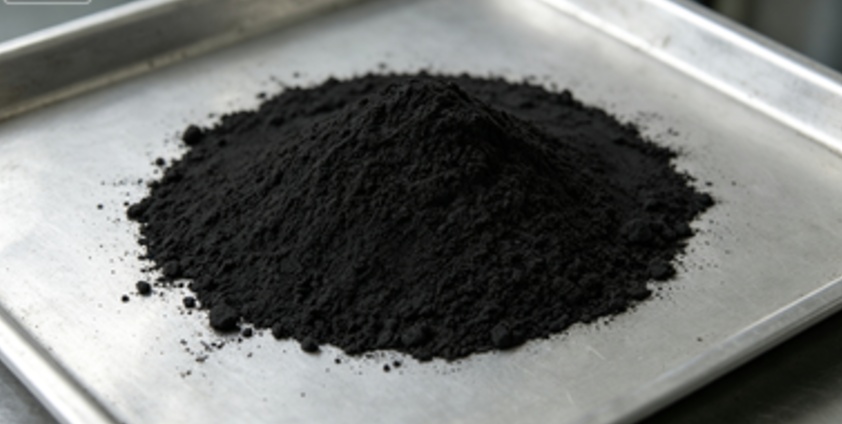
For decades, electroplating factories and PCB chemical formulators have reached a consensus: trace heavy metal impurities are the hidden culprit behind unstable plating baths. Many manufacturers choose ordinary copper oxide to cut costs, only to encounter rough copper layers, pinholes, burrs and frequent bath maintenance. Electroplating-grade active copper oxide is a black or brown-black powder with slight moisture absorption. Its core advantage lies in ultra-low trace impurities and fast dissolution characteristics, making it a reliable copper source for circuit board electroplating, high-end catalyst synthesis and fine copper salt production. Based on years of industry application experience, we sort out its material characteristics, quality indicators and practical usage value for electroplating practitioners.


Basic Properties & Quality Specifications of Electroplating Grade Active Copper Oxide

 
Active copper oxide features density at 6.3–6.9 g/cm³ and melting point 1326°C. It cannot dissolve in water and ethanol, soluble in acids, ammonium chloride and potassium cyanide solutions, and dissolves slowly in ammonia solution.
 
This product is implemented in accordance with standard Q/321283GYC04-2015. Core indicators: CuO content ≥99%. Strictly limit impurity content: Fe ≤10 ppm, Ni ≤10 ppm, Zn ≤10 ppm, Pb ≤5 ppm, Cl⁻ ≤15 ppm, Na ≤10 ppm, with dissolution speed controlled within 30 seconds.
 
From actual site feedback: Tight control of ppm-level impurities can effectively avoid continuous accumulation of foreign ions in the plating tank. Fast dissolution avoids undissolved particle residue, lowering the risk of board surface scratches.
 

Core Industrial Application Scenarios


1. PCB Circuit Board Electroplating (Main Application)

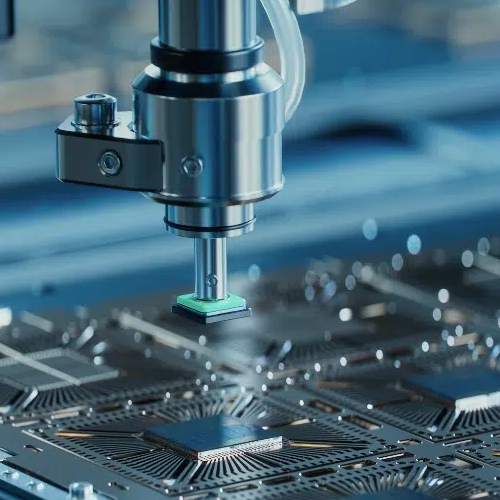
This is the most mature application scenario. Iron, nickel, lead and other miscellaneous ions will co-precipitate during electroplating, gradually deteriorating the plating solution. Once the bath is polluted, enterprises have to spend high costs on liquid replacement or activated carbon treatment. Adopting high-purity active copper oxide slows down the contamination speed of plating solution, extends the service life of the bath, and greatly reduces the reject rate of circuit boards. Fast dissolution also helps workshops shorten the tank preparation cycle and improves continuous production efficiency.
 

2. Raw Material for High-End Catalyst Preparation

Catalyst systems are extremely sensitive to impurity pollution. Excess heavy metals easily cause catalyst poisoning and activity decline. High-purity active copper oxide provides stable raw material basis, guarantees consistent catalytic activity batch by batch, and reduces unstable variables in chemical synthesis.
 

3. Synthesis of High-Purity Fine Copper Salts

When producing electronic-grade copper salts, raw material purity directly determines the quality of finished products. Low-impurity electroplating copper oxide can minimize impurity introduction, helping manufacturers produce copper salt products that meet electronic chemical standards.


FAQ


Q1: Many suppliers sell copper oxide with looser impurity standards. What risk will it bring to electroplating lines?
 
A: In the short term, the difference cannot be observed. After continuous feeding for 1–3 months, miscellaneous ions accumulate in the plating tank. Plating defects will increase obviously, and the maintenance frequency of the bath will rise sharply. For medium and high-end PCB production lines, stable low-impurity raw materials mean lower long-term comprehensive costs.
 
 
Q2: What practical benefits does dissolution speed ≤30S bring to on-site operation?
 
A: Slow-dissolving copper oxide requires long-time stirring. Undissolved powder may sink to the tank bottom, forming suspended particles. These particles will cause scratches on the circuit board surface. Fast-dissolving active copper oxide can avoid such hidden troubles.


Conclusion


From years of front-line industry experience, electroplating-grade active copper oxide is not just a simple copper supply raw material. Strict impurity control and active dissolution performance are key to stabilizing electroplating production.
 
The product adopts 25kg kraft paper integrated packaging with good sealing performance. It should be stored in a ventilated and dry warehouse to prevent moisture, and stored separately from strong acids and food raw materials. PCB electroplating factories, catalyst manufacturers and fine copper salt producers can prioritize copper oxide that meets Q/321283GYC04-2015 specifications to maintain stable production quality.

eine Nachricht hinterlassen

eine Nachricht hinterlassen
Wenn Sie an unseren Produkten interessiert sind und mehr Details erfahren möchten, hinterlassen Sie bitte hier eine Nachricht. Wir werden Ihnen so schnell wie möglich antworten.
EINREICHEN

Heim

PRODUKTE

WhatsApp

Kontakt

Geben Sie Produktdetails (wie Farbe, Größe, Material usw.) und weitere spezifische Anforderungen ein, um ein genaues Angebot zu erhalten.
eine Nachricht hinterlassen
Wenn Sie an unseren Produkten interessiert sind und mehr Details erfahren möchten, hinterlassen Sie bitte hier eine Nachricht. Wir werden Ihnen so schnell wie möglich antworten.
EINREICHEN